Debt rarely begins as a problem. For many people, it starts with genuine needs: education, medical expenses, business requirements, or family responsibilities. Over time, however, multiple loans, credit card dues, or unexpected income changes can make repayment feel overwhelming.
As 2026 approaches, many individuals want to regain control over their finances and reduce debt-related stress. Getting out of debt is not about shortcuts or quick fixes. It is about making calm, consistent decisions and understanding your financial situation clearly.
This blog outlines five practical steps that can help you move towards better debt management in 2026, without unrealistic promises or guaranteed outcomes.
Why Getting Out of Debt Feels So Difficult
Debt often brings emotional pressure along with financial strain. Common challenges include:
- Multiple repayment obligations
- Constant worry about due dates
- Recovery calls or reminders
- Fear of legal consequences
- Lack of clarity about what to do next
Understanding that these feelings are common is the first step toward handling debt responsibly.
Step 1: Acknowledge the Situation Without Panic
Many people delay action because they feel embarrassed or overwhelmed. Ignoring debt rarely improves the situation.
Instead:
- Accept that debt exists
- Remind yourself that financial difficulty is not personal failure
- Focus on solutions rather than blame
Clarity begins when denial ends.
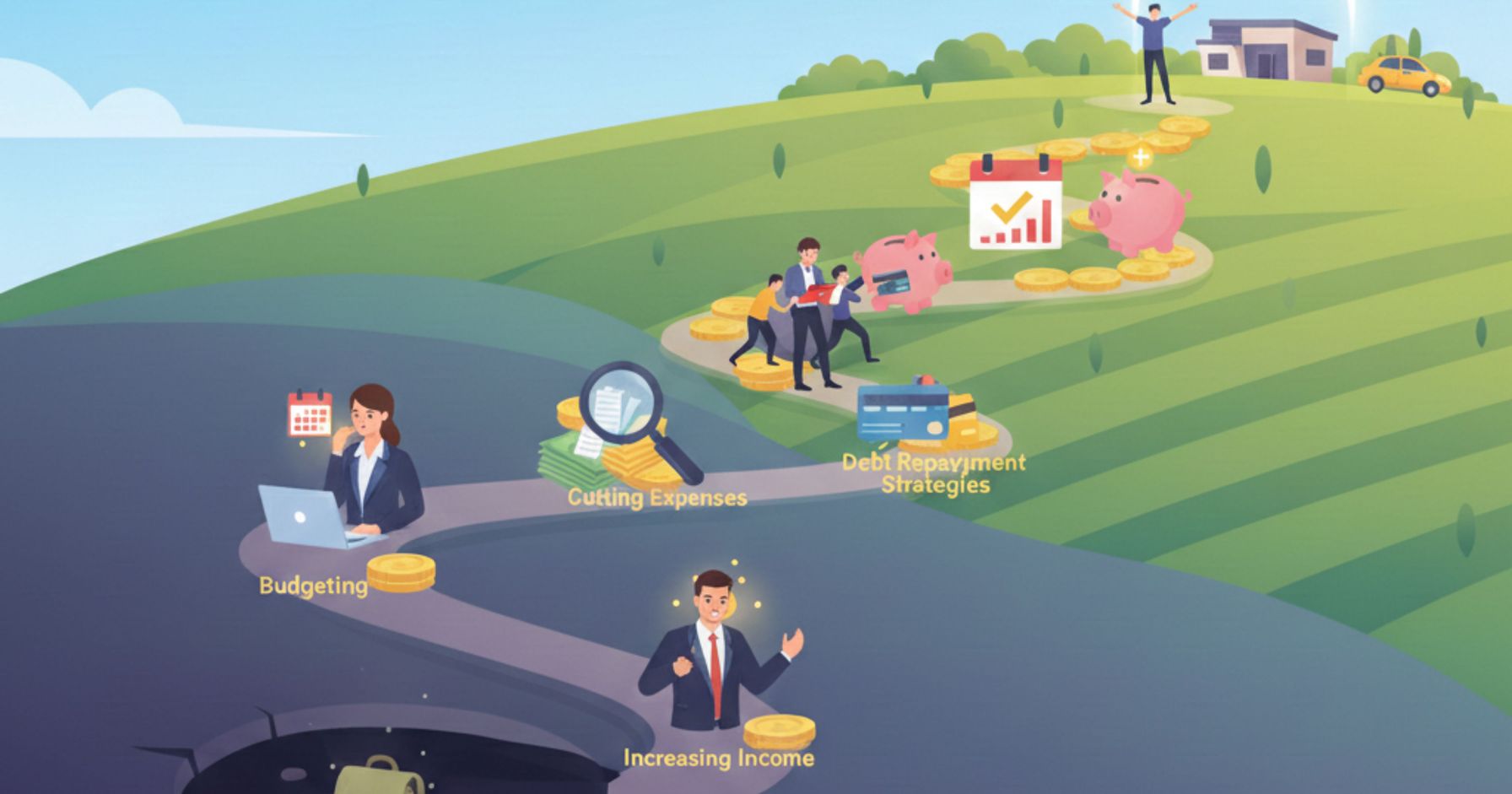
Step 2: Understand Your Complete Debt Picture
Stress increases when things feel unclear. Take time to review:
- All outstanding loans
- Credit card balances
- Monthly repayment commitments
- Income and essential expenses
This step is not about judging yourself; it’s about knowing where you stand so you can plan realistically.
Step 3: Prioritise Repayments Based on Comfort and Impact
Not all debts feel equally stressful. Some create more pressure due to communication frequency or emotional impact.
Consider:
- Which repayments cause the most anxiety
- Where communication has become difficult
- What feels manageable versus overwhelming
Prioritisation helps you focus energy where it matters most.
Step 4: Improve Communication Instead of Avoiding It
Avoiding calls or messages often increases stress and confusion. Calm communication can:
- Reduce misunderstandings
- Lower recovery pressure
- Create room for discussion
You don’t need perfect answers; honest communication is often enough to start reducing tension.
Step 5: Build Sustainable Financial Habits
Getting out of debt is not only about repayment, it’s also about preventing future stress.
Helpful habits include:
- Spending mindfully
- Avoiding unnecessary borrowing
- Reviewing finances periodically
- Addressing problems early
Sustainable habits support long-term financial stability.
Common Mistakes That Delay Debt Recovery
- Ignoring repayment issues
- Acting only when pressure becomes extreme
- Making unrealistic promises
- Comparing your situation with others
- Relying on misinformation
Avoiding these mistakes often reduces stress significantly.
How Debt Resolution Awareness Helps
Many borrowers struggle not because of a lack of income, but because of a lack of clarity. Understanding debt resolution options and repayment processes helps individuals:
- Make informed decisions
- Reduce emotional pressure
- Communicate confidently
- Avoid panic-driven choices
Awareness creates control.
Making 2026 a Year of Financial Reset
A new year often brings motivation to do things differently. Getting out of debt in 2026 does not require drastic action; only consistent, informed steps taken with patience.
Progress may feel slow at times, but clarity and calm decision-making usually lead to better outcomes than fear-based reactions.
Conclusion
Debt can feel heavy, but it does not define you. Getting out of debt is a gradual process that involves awareness, communication, and sustainable habits, not instant solutions.
By acknowledging your situation, understanding your obligations, improving communication, and building healthier financial habits, you can move toward a more stable financial future in 2026, one step at a time.